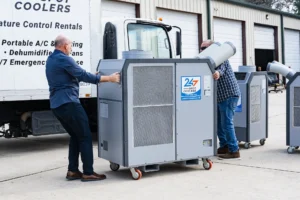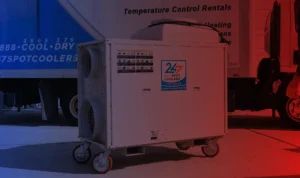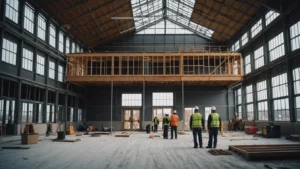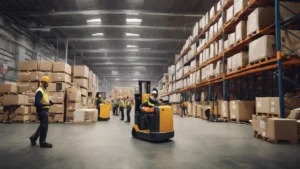
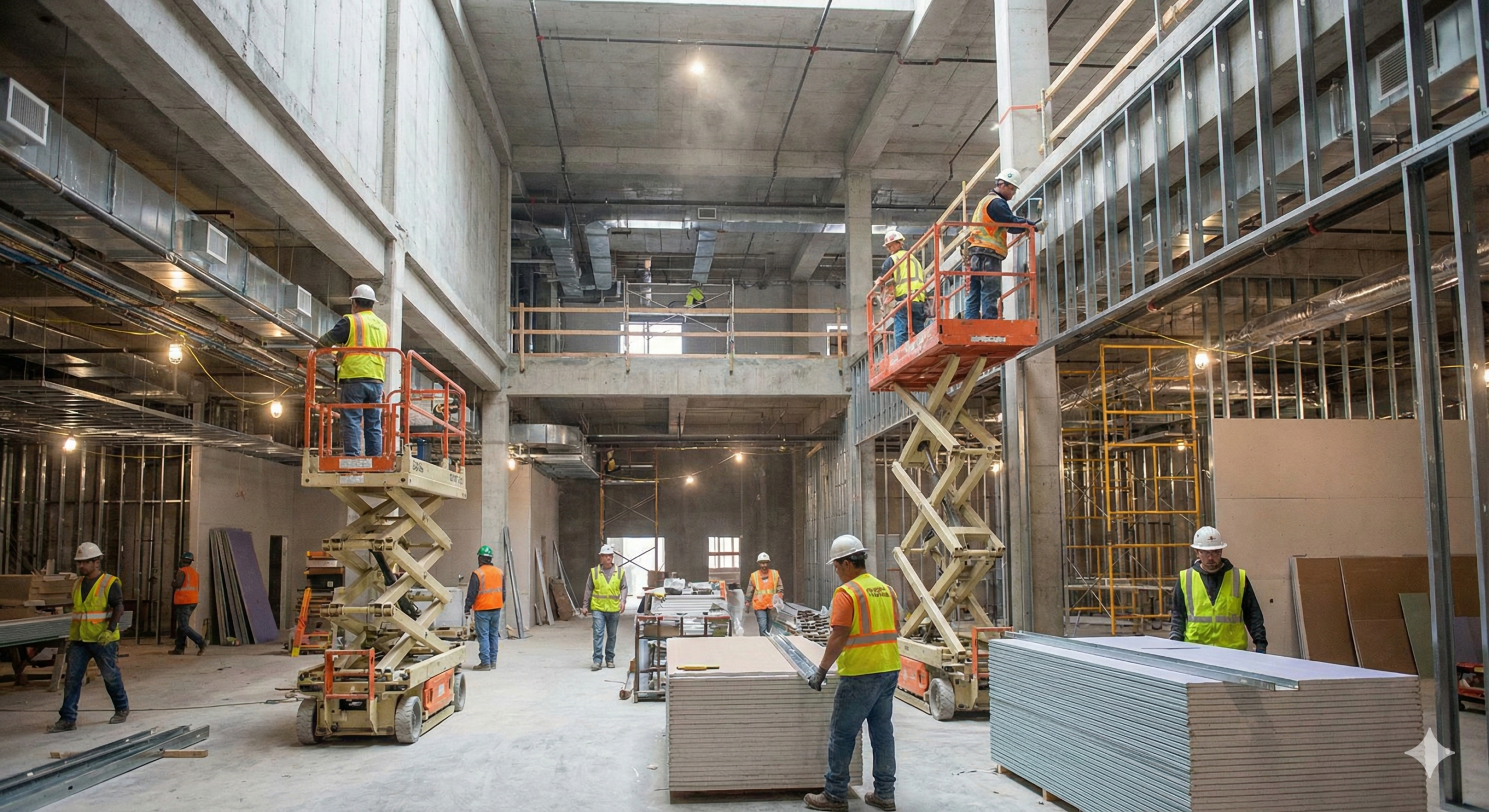
Heating equipment is involved in tens of thousands of fires in the U.S. each year, according to NFPA research, many tied to misuse or poor placement of portable units. As more organizations rely on temporary climate solutions to keep projects moving, protect cold‑sensitive materials, and maintain comfort, safe practices around rental heaters matter more than ever. This guide distills practical steps to help you choose, set up, and operate portable commercial heaters safely on any job site, whether you’re using a short-term heating rental during an emergency outage or supplementing heat in a large warehouse.
Know your portable heater types (and where they shine)
- Electric heaters: No on-site combustion and zero emissions, ideal for offices, server rooms, and enclosed spaces with sufficient electrical capacity.
- Direct-fired heaters (often propane or natural gas): High efficiency and fast heat; require robust ventilation since they add moisture and combustion byproducts to the air. Best for well-ventilated construction zones or outdoor use.
- Indirect-fired heaters: Exhaust is vented outside while clean, heated air is ducted in. Suitable for enclosed areas, occupied spaces, and projects where air quality is critical.
- Outdoor/event heaters: Portable propane patio and tent heaters for open-air or semi-enclosed venues; always follow tent manufacturer and local code requirements.
Tip: Match the heater type to the space. For large-scale heating in industrial facilities or construction sites, you’ll often pair indirect-fired units with ducting to maintain air quality, while spot heating in offices or workshops may be safer and simpler with electric models.
Pre-deployment site assessment
Evaluate the following before any heating rental arrives on site:
- Space volume and heat loss: Size the heater to the cubic footage, target temperature rise, and insulation levels.
- Ventilation and air changes: Critical for direct-fired units and any indoor combustion.
- Power availability: Confirm voltage, amperage, and circuit capacity for electric heaters; avoid overloading.
- Fuel logistics: Plan safe LP/propane storage, separation distances, and refueling procedures.
- Occupancy and processes: Consider people density, cold-sensitive equipment/materials, and ignition sources.
- Code and AHJ requirements: Verify compliance with OSHA, NFPA 54/58 (fuel gas and LP-gas), and local fire codes.
Safe setup and placement essentials
- Maintain clearances: Keep heaters the required distance from combustibles, tent fabric, pallets, and packaging.
- Stabilize equipment: Level footing, secure against tip-over, and protect from vehicle traffic and wind.
- Ducting and airflow: For indirect-fired units, route exhaust outdoors; keep return/ supply ducts free of kinks and obstructions.
- Electrical safety: Use properly rated cords, minimize extension length, protect from abrasion, and employ GFCI where required.
- Fuel safety: Store cylinders upright, outdoors or in approved cages; use leak checks (soapy water) on fittings; keep spare cylinders away from heat sources.
Operating best practices
- Start-up checks: Inspect hoses, cords, and filters; verify guards, flame sensors, and tip-over switches function.
- Ventilation first: Confirm doors, vents, or mechanical exhaust are in place before lighting direct-fired heaters.
- Continuous monitoring: Use CO detectors where combustion devices are present; track temperature and humidity to avoid condensation or overheating.
- Supervision: Assign a trained person-in-charge for daily checks, especially in occupied or high-traffic areas.
- Shut-down sequence: Follow manufacturer guidance; allow cool-down before moving or storing units.
Special scenarios and how to handle them
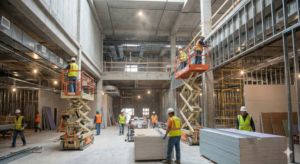
- Construction sites: Prefer indirect-fired heaters for enclosed builds; isolate ignition sources from finishing operations (paints, solvents, adhesives).
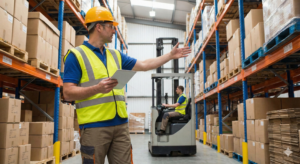
- Warehouses and distribution centers: Use spot heating to target workstations; protect airflow paths from racking, pallets, and curtains.
- Server rooms and data centers: Choose electric heaters with precise controls; never block equipment intakes/exhaust or cable raceways.
- Outdoor and event tents: Use only heaters rated for tent use; place combustion heads outside the tent envelope and duct warm air in where required by code.
- Cold-sensitive materials and equipment: Maintain manufacturer-recommended minimum temperatures to prevent damage, brittleness, or process failures.
Sizing guidance for rental heaters
- Provide your provider with dimensions (L×W×H), target indoor temperature, typical outdoor lows, building tightness, and occupancy.
- For large or leaky spaces, consider multiple units to reduce stratification and improve distribution.
- Ask for airflow data (CFM), temperature rise, and available ducting options to ensure even coverage.
Daily inspection checklist
- Clearances maintained and area free of combustibles
- Hoses, regulators, cords, and plugs intact; no leaks or frays
- CO detectors powered and tested (where applicable)
- Air inlets/outlets and ducts unobstructed
- Fuel cylinders secured, upright, and away from heat
- Controls and safety interlocks operating normally
- Logbook entries for start-up, mid-shift, and shut-down checks
Contingency and emergency planning
- Post emergency shut-off procedures and locations of gas valves and electrical disconnects.
- Keep fire extinguishers (proper class) accessible and personnel trained.
- Establish response steps for CO alarms, fuel leaks, or power loss.
- Build in redundancy for critical operations, backup rental heaters or alternative zones to protect people and assets.
When to opt for a heating rental
Portable commercial heaters can solve several scenarios quickly:
- Emergency heating failures: Keep operations running while permanent systems are repaired.
- Supplemental warmth: Tackle cold spots in large, drafty areas without overhauling central systems.
- Event heating: Maintain guest comfort in tents, patios, and semi-outdoor venues.
- Process protection: Maintain minimum temperatures for adhesives, coatings, curing, and sensitive equipment.
Key reminders to keep everyone safe
- Choose the right technology for the space (electric vs. direct- or indirect-fired).
- Prioritize ventilation, air quality, and CO monitoring.
- Respect clearances, stabilize equipment, and manage fuel correctly.
- Train staff and document daily inspections.
- Coordinate with local codes and the authority having jurisdiction.
The Bottom Line
Temporary heat is indispensable for productivity and comfort, but it comes with responsibilities. By selecting the correct heater type, planning ventilation and power or fuel needs, and adhering to disciplined operating practices, heating rental solutions can be both effective and safe. Use these tips as a framework the next time you bring rental heaters onto a site to protect people, property, and project timelines.