
Managing a warehouse or distribution center is no small task; logistics, inventory, labor, and regulatory demands all converge under one roof. One critical element that often gets underestimated until it’s too late is climate control. In large industrial or storage facilities, having a portable cooling backup plan isn’t just a convenience, it can be essential for protecting workers, safeguarding inventory, and maintaining operational efficiency. Below I explore why facility managers should treat portable cooling as a core component of their contingency strategy.
Why Temperature & Humidity Matter in Warehouses
- Goods are vulnerable. Warehouses often store items sensitive to temperature and humidity — from food, pharmaceuticals, and electronics to paper, textiles, or packaging materials. Excess heat or high humidity can cause spoilage, corrosion, warping, or mold.
- Operational costs & reputation are at stake. Spoiled or damaged inventory leads to financial losses, delayed shipments, customer complaints, and possibly regulatory non-compliance if dealing with perishable or regulated goods.
- Equipment and infrastructure degrade without proper climate control. High temperatures or humidity can shorten the lifespan of machinery and storage materials, increase maintenance needs, and even cause malfunctions in automation, conveyors, or electronic systems.
- Worker health, safety, and productivity suffer. Heat stress, fatigue, dehydration, and even heat-related illnesses become serious concerns — which can translate into absenteeism, lower productivity, mistakes, and potential liability.
Given these risks and costs, maintaining stable environmental conditions isn’t optional, it’s essential. But for many facilities, relying solely on permanent HVAC systems or general warehouse ventilation may not be enough. That’s where portable cooling and backup plans come in.
Why Portable Cooling Backup Plans Are Smart — Not Just Optional
Flexibility and Targeted Cooling
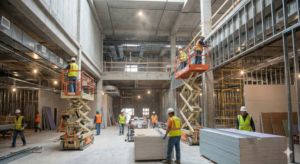
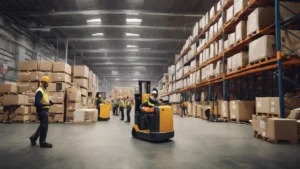
Large warehouses present unique climate challenges: high ceilings, open dock doors, heavy foot and forklift traffic, machinery heat output, and uneven airflow. Traditional HVAC systems often struggle with such spaces, causing hot spots near ceilings, temperature stratification, or imbalanced cooling.
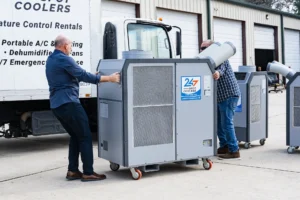
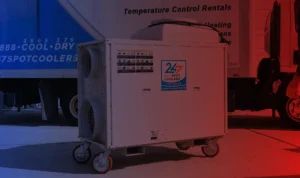
Portable cooling units, spot coolers, mobile ACs, evaporative coolers (swamp coolers), or high-capacity fans, offer flexibility. You can deploy them exactly where and when they’re needed: at loading docks, packing stations, zones with heavy equipment, or areas with heat-sensitive goods. As operations shift, so can the cooling deployment.
This “zone-based” approach helps:
- Avoid overcooling entire large spaces unnecessarily, saving energy costs.
- Cool only the human-occupied zones or zones storing sensitive inventory, making cooling more efficient and cost-effective.
Fast Deployment in Emergencies or Seasonal Peaks
Permanent HVAC systems or built-in climate solutions often require time, planning, and capital investment. In contrast, portable cooling units can be deployed quickly, ideal for:
- Emergency situations (e.g., HVAC failure, power outage, system malfunction)
- Seasonal heat waves or unseasonably hot spells
- Sudden spikes in workload where extra cooling is needed during peak shifts
This agility helps facility managers maintain continuity of operations and avoid costly downtime, spoilage, or productivity losses when temperatures soar.
Health, Safety & Productivity — Not Just Comfort
Workplace comfort isn’t trivial. Heat doesn’t just make work unpleasant, it undermines safety and efficiency. Portable cooling reduces risks of heat-related illness, fatigue, dehydration, and errors. This helps keep the workforce healthy, alert, and productive.
Moreover, good air movement from fans or coolers helps reduce stagnant zones, improving air circulation and potentially lowering humidity or dust build-up, which benefits both workers and inventory.
Inventory Integrity & Compliance
For warehouses storing temperature/humidity-sensitive goods (food, pharmaceuticals, electronics, etc.), environmental fluctuations aren’t just inconvenient, they can cause irreversible damage or regulatory non-compliance. Portable cooling, especially when combined with dehumidifying or air-circulation tools — helps safeguard inventory quality consistently.
Having a backup cooling plan means that even when primary systems fail, due to maintenance, outage, or system overload, you don’t risk spoilage or damage.
Portable Cooling ≠ Replacing HVAC — It’s a Backup, a Supplement, a Strategy
That said, portable cooling isn’t a silver bullet for every warehouse. It works best as part of a layered climate-control strategy:
- Permanent HVAC or climate control systems (when viable) for large or fully-climate-controlled spaces.
- Portable units and spot-cooling systems for targeted zones, high-heat areas, emergency backup, or seasonal spikes.
- Air circulation solutions (fans, air movers) to avoid hot-air stratification and stagnant pockets.
- Humidity control where needed (dehumidifiers or evaporative coolers), especially for sensitive inventory.
- A monitoring and maintenance plan (keeping filters clean, ensuring ventilation is adequate, ensuring exhaust/airflow works) to preserve efficiency and avoid uneven cooling.
In other words: portable cooling should be part of a broader climate resilience plan — not a “set it and forget it” fix.
Recommended Action Plan for Facility Managers
If you manage a warehouse or distribution center, here’s a simple roadmap to build a robust portable-cooling backup plan:
- Audit Your Space & Needs — Identify high-heat zones, high-traffic areas, loading docks, or places with temperature-sensitive inventory or equipment.
- Map Critical Functions — Determine areas where humans work intensively, or where temperature/humidity swings could compromise goods or machinery.
- Invest in Modular Portable Cooling/Dehumidification Tools — Spot coolers, portable AC, evaporative coolers, industrial fans, dehumidifiers — tools you can deploy as needed.
- Test Under Real Conditions — Run the units during peak heat or heavy use to see how efficiently they maintain safe, consistent conditions.
- Integrate with Existing Systems & Maintenance — Ensure ventilation, airflow, and exhaust are well-designed; perform regular cleaning and maintenance on portable units to prevent efficiency drop-off.
- Train Staff & Create Protocols — For when primary HVAC fails, or during heat waves, have predefined protocols for deploying portable cooling — to protect workers, inventory, and operations.
Portable Cooling Backup Plans — A Vital Safety Net, Not a Luxury
In a world where supply chains are under constant pressure, where warehouses manage a variety of goods (some extremely sensitive to environmental conditions), and where labor safety and productivity are crucial, a portable cooling backup plan isn’t a “nice-to-have”, it’s a prudent, often essential, component of facility management.
Far from being a substitute for a well-designed HVAC system, portable cooling acts as a flexible, responsive safety net, protecting workers, preserving inventory, reducing risk, and keeping operations running even when things don’t go according to plan.